
A Complete Guide to Eating Your Way around Sri Lanka
One of the best ways to experience Sri Lanka is through its food. Sri Lankan cuisine is colourful, aromatic, spicy, and incredibly diverse. From rice and curry to hoppers, kottu, seafood, short eats, king coconut and Ceylon tea, food is an important part of the Sri Lankan travel experience.
Rice and Curry – The Heart of Sri Lankan Food
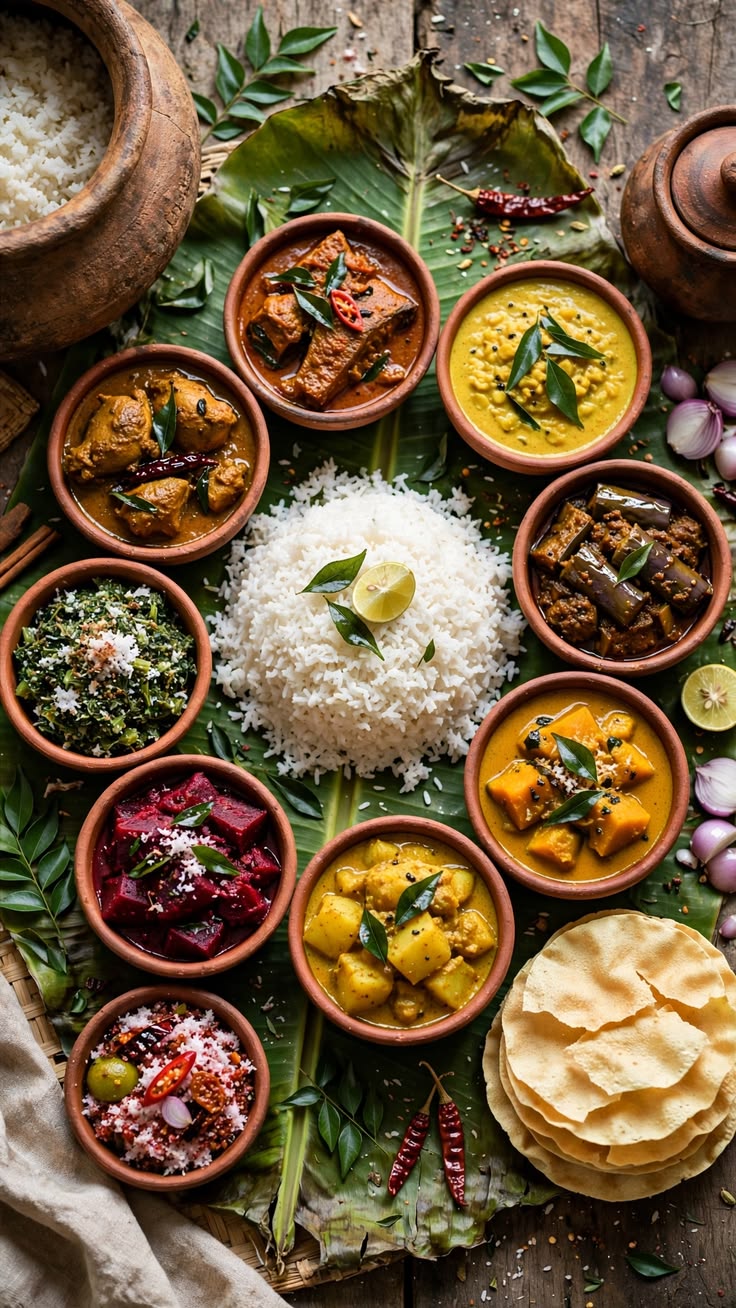
If there is one meal you should try in Sri Lanka, it is rice and curry. A traditional meal can include rice surrounded by several curries, vegetables, sambols, mallums, dhal and other side dishes. You might receive fish or chicken curry, dhal curry, potato or pumpkin curry, brinjal, green vegetables, coconut sambol, papadum and pickles. The beauty is in mixing different flavours and textures together.
Is Sri Lankan Food Spicy?
It can be. Sri Lankan cooking commonly uses chilli, black pepper, cinnamon, cardamom, cloves, curry leaves, pandan, turmeric, cumin, coriander and fenugreek. However, spicy does not always mean extremely hot. If you are not used to chilli, ask for “not too spicy” or “mild”.
Coconut – A Key Ingredient
Coconut milk is used to make curries creamy and rich, while grated coconut is used in sambols, salads and vegetable dishes. Coconut, roasted spices and local ingredients give many Sri Lankan dishes their distinctive flavour.
Dhal Curry
Dhal curry, locally known as parippu, is one of the most common dishes in Sri Lanka. Red lentils are cooked with coconut milk, turmeric, onion, curry leaves and spices. It is creamy, comforting and commonly eaten with rice, string hoppers, roti and hoppers.
Fish Curry and Seafood
Sri Lanka's location in the Indian Ocean makes seafood an important part of the local diet, especially along the coast. Depending on where you travel, you may find fish curry, grilled fish, devilled fish, fish ambul thiyal, prawn curry, crab curry, calamari, cuttlefish and lobster. Ambul thiyal is a distinctive sour fish preparation made with spices and goraka.
Hoppers – A Sri Lankan Favourite
Hoppers, or appa, are bowl-shaped pancakes made from fermented rice-based batter. They are crispy around the edges with a softer centre. Plain hoppers are served with curries and sambols, while an egg hopper has an egg cooked in the centre. Egg hoppers are a must-try for breakfast or dinner.
String Hoppers
String hoppers, known locally as idiyappa, are made from rice flour pressed into thin noodle-like strands and steamed. They are commonly served with dhal curry, coconut sambol, chicken curry, fish curry or coconut milk-based curries.
Roti
Pol roti is a coconut-based flatbread made with flour and grated coconut. It is usually thicker and more rustic than many other flatbreads and is often served with lunu miris, sambol or curry.
Kottu Roti – The Sound of Sri Lanka
If you walk through a Sri Lankan town in the evening, you may hear the unmistakable clanging sound of metal blades hitting a hot griddle. Kottu is made by chopping pieces of godamba roti and mixing them with vegetables, egg, chicken, beef, cheese, seafood and spices. Popular varieties include chicken, cheese, vegetable and egg kottu.
Sri Lankan Short Eats
Short eats are small savoury snacks commonly enjoyed with tea. Popular examples include fish rolls, cutlets, vegetable samosas and patties. They are widely available in bakeries, cafés and small local shops.
Sri Lankan Fruits
Sri Lanka's tropical climate means fresh fruit is widely available. Depending on the season, you may find mango, pineapple, papaya, banana, watermelon, rambutan, wood apple, passion fruit, guava and mangosteen. Trying seasonal fruit from a local market is a simple way to experience everyday Sri Lankan food culture.
King Coconut – Thambili
One of the most refreshing drinks to try in Sri Lanka is king coconut, locally called thambili. You will often see bright orange or golden king coconuts being sold beside roads and beaches. The coconut is opened fresh and you drink the naturally sweet water inside.
Ceylon Tea
You cannot visit Sri Lanka without trying Ceylon tea. Sri Lanka is internationally famous for tea, particularly the high-grown tea produced in the central highlands. Tea-growing regions include Nuwara Eliya, Ella, Kandy, Hatton, Dimbula and Uva. Visiting a tea plantation or factory is a popular hill-country experience.
Sri Lankan Milk Tea
Milk tea is a common everyday drink, usually made with strong black tea, milk and sugar. You will find it in cafés, restaurants, bakeries, hotels and roadside tea shops.
Wood Apple, Lime and Fresh Fruit Juices
Wood apple juice has a distinctive sweet, sour and earthy flavour. Fresh juices are also widely available, including mango, pineapple, papaya, watermelon, passion fruit and lime. Avocado juice, made by blending ripe avocado with milk and sugar, is another unusual option for visitors.
Sri Lankan Desserts
Sri Lankan desserts often use coconut, jaggery, rice flour and spices. Wattalappam is a rich coconut custard made with coconut milk, eggs, jaggery and spices. Kokis is a crispy deep-fried rice-flour snack. Kavum is another traditional sweet made from rice flour and treacle. Kiribath, or milk rice, is rice cooked with coconut milk and is especially associated with celebrations and special occasions.
Vegetarian Food in Sri Lanka
Sri Lanka can be a fantastic destination for vegetarians. Traditional rice and curry often includes several vegetable dishes. Try vegetable rice and curry, dhal curry, pumpkin curry, potato curry, young jackfruit curry, gotukola sambol, pol sambol, vegetable kottu, vegetable roti and string hoppers with vegetable curry.
Jackfruit Curry
Young jackfruit curry is one of the most interesting vegetarian dishes in Sri Lanka. The texture of young jackfruit can be surprisingly similar to shredded meat, while the curry is rich with spices and coconut.
Where Should You Try Sri Lankan Food?
Local restaurants are excellent places to experience everyday Sri Lankan cooking. Hotels and resorts provide a wider range of international and local dishes. Bakeries are ideal for short eats and tea, beach restaurants are great for seafood, and street-food stalls offer a casual local experience. For street food, choose busy stalls where food is prepared fresh.
What Should You Drink in Sri Lanka?
For everyday hydration, bottled or properly treated drinking water is the simplest choice for visitors. You can also enjoy king coconut, fresh fruit juices, lime juice, Ceylon tea, milk tea, coffee, wood apple juice and avocado juice. If you buy bottled water, check that the seal is intact.
A Perfect Sri Lankan Food Day
- Breakfast: Egg hopper, dhal curry and pol sambol with Ceylon tea.
- Lunch: Rice and curry with several vegetable curries, dhal, sambol and fish or chicken.
- Afternoon: King coconut or fresh fruit juice, perhaps with a couple of short eats.
- Evening: Chicken or cheese kottu with fresh lime juice.
- Dessert: Try wattalappam or another traditional sweet if available.
The Best Way to Experience Sri Lankan Food
Do not just order the same familiar meal every day. Sri Lankan cuisine changes from region to region, and food is part of the travel experience. Try rice and curry in a local restaurant, have an egg hopper for breakfast, stop at a bakery for short eats, drink king coconut beside the road, try seafood on the coast, have tea among the mountains, and listen to the sound of kottu being prepared at a busy evening restaurant.
Quick Food Checklist
Before leaving Sri Lanka, try to tick off:
- Rice & curry
- Dhal curry
- Egg hopper
- String hoppers
- Kottu
- Pol sambol
- Fish ambul thiyal
- Sri Lankan chicken curry
- Short eats
- Jackfruit curry
- King coconut
- Fresh fruit juice
- Ceylon tea
- Wood apple juice
- Wattalappam